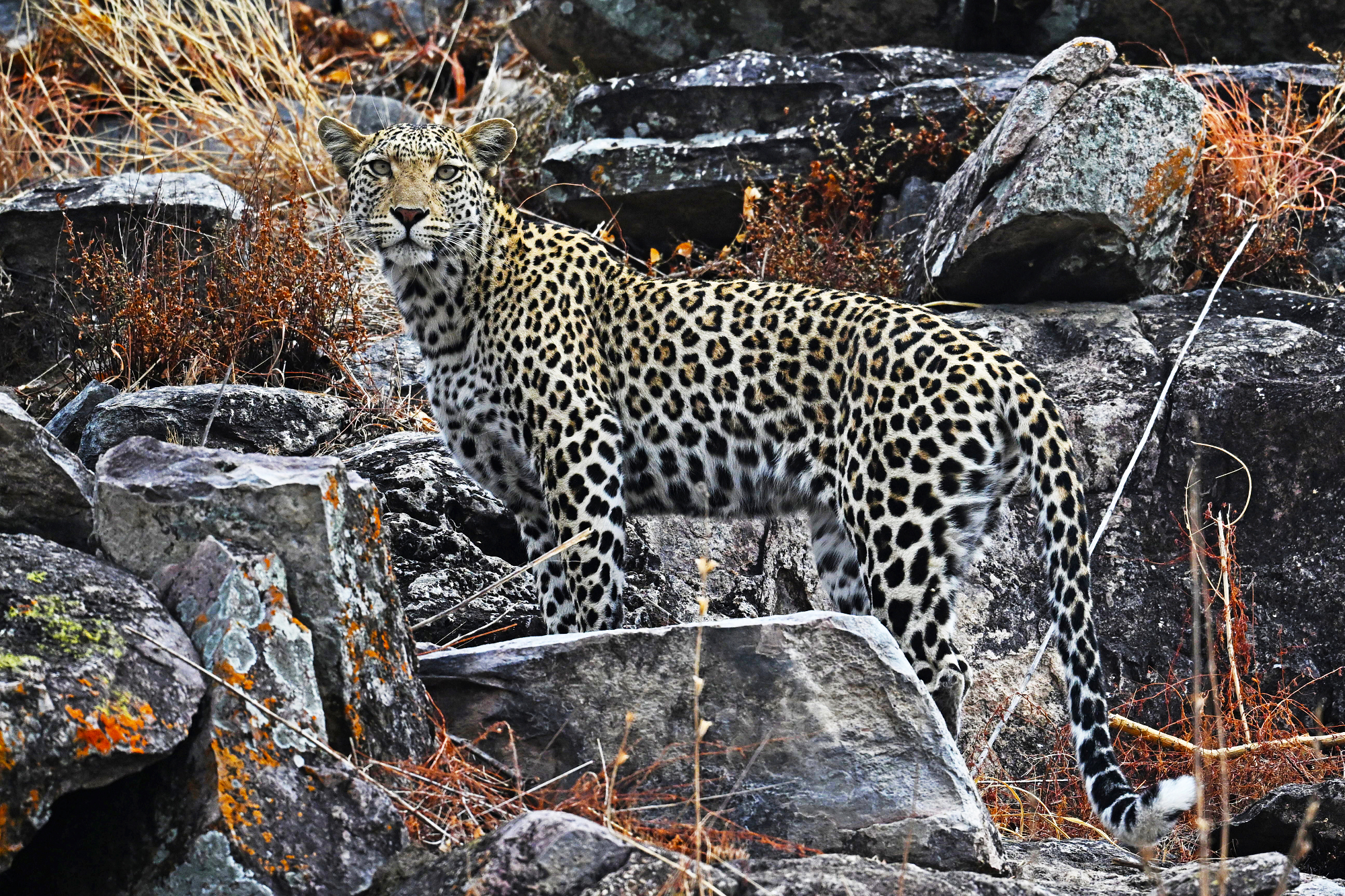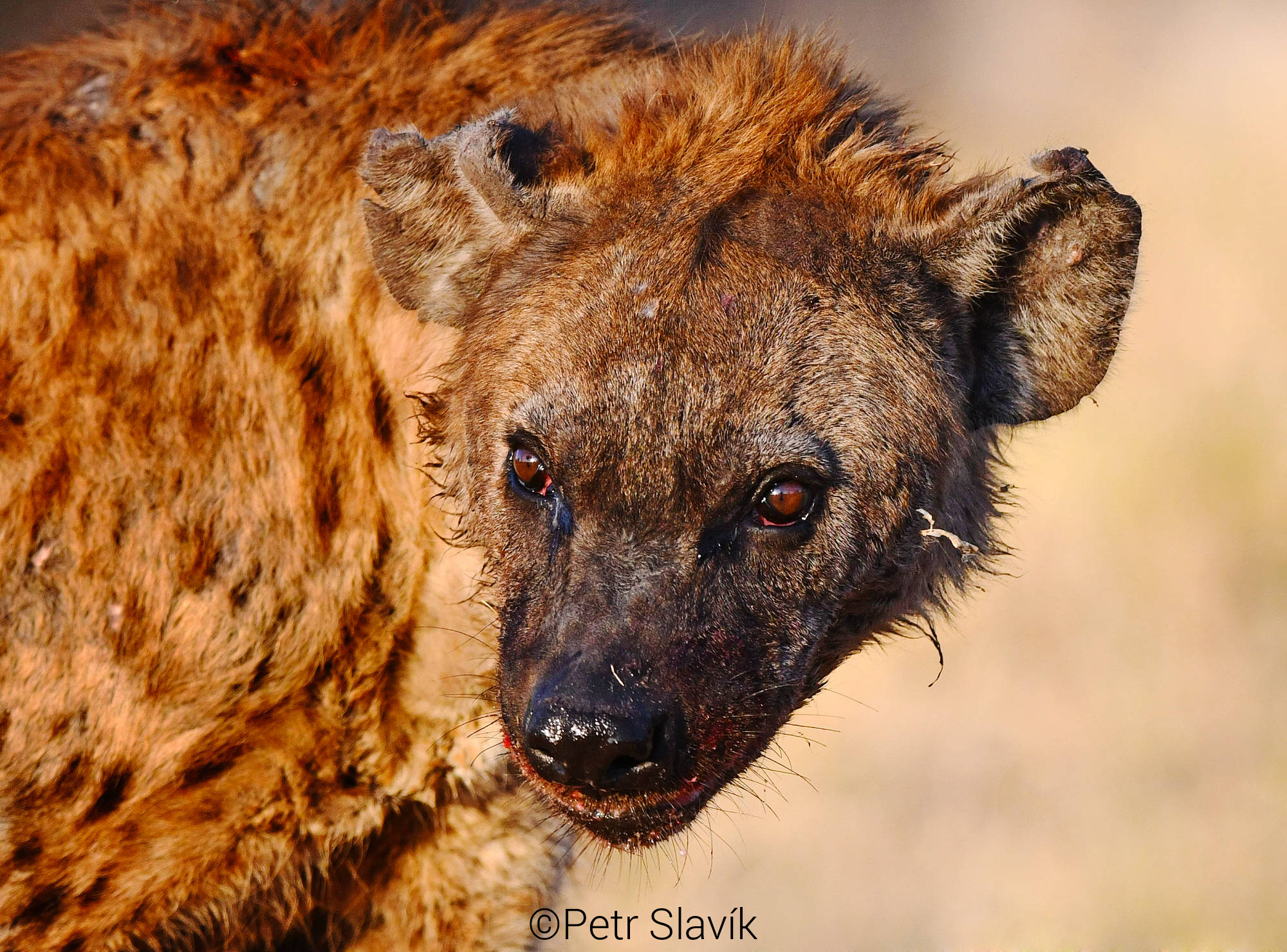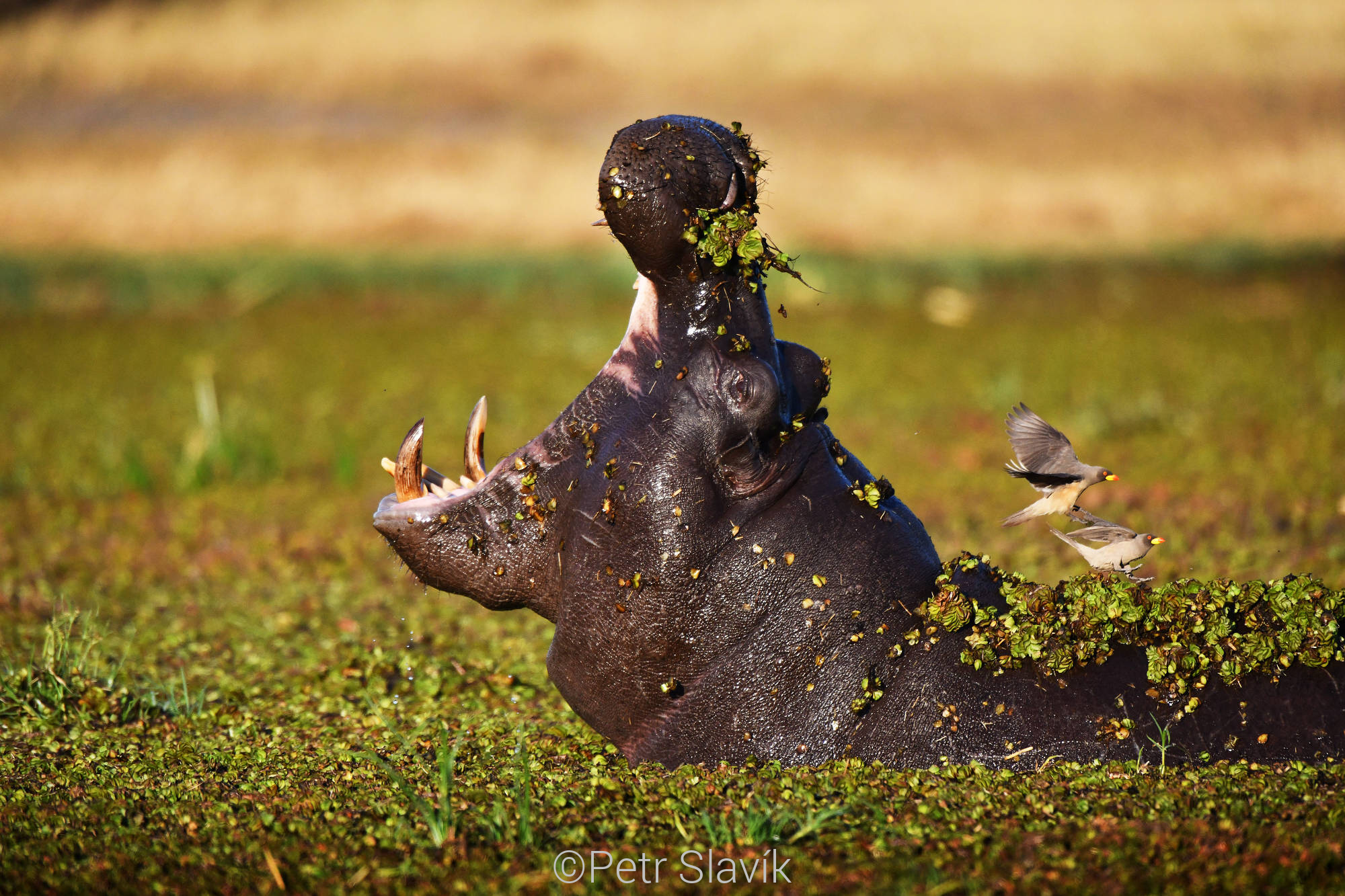
A safari named after the legendary film with Robert Redford and Meryl Streep will be the adventure of your life. A private tented camp in the middle of the wilderness, just for a small group of people. Days on safari and evenings in the glow of the campfire with a glass of South African wine. This is no ordinary holiday. This is a journey back in time to the days when wild animals ruled Africa and adventure awaited bold travellers around every corner.
About the tour
Show more
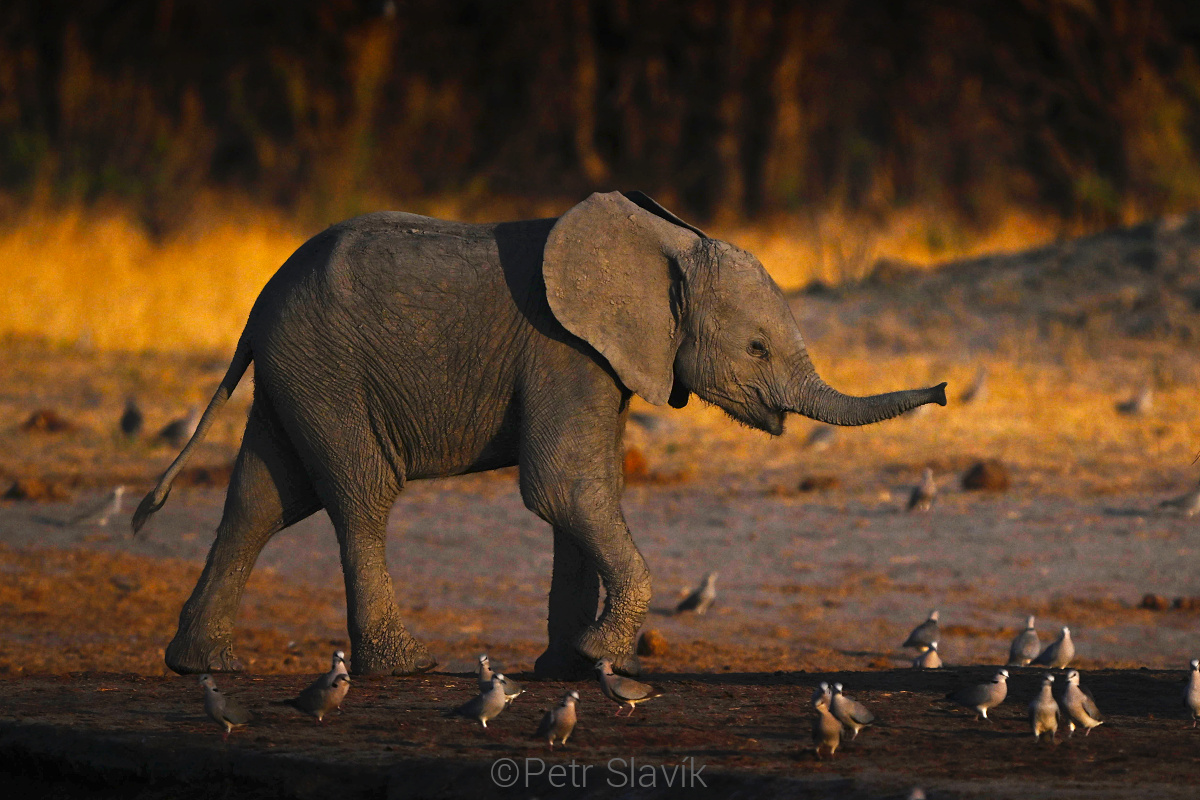
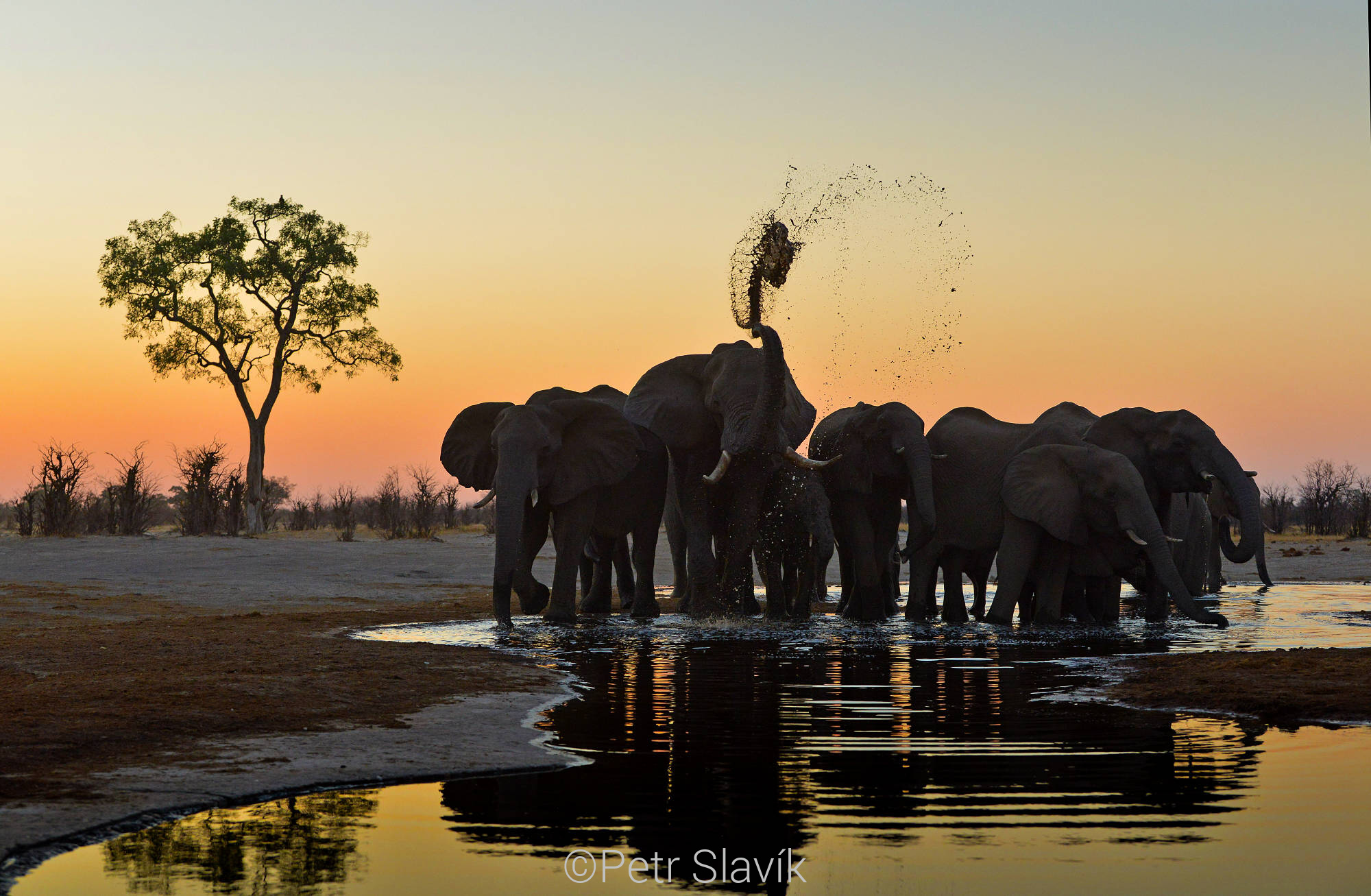
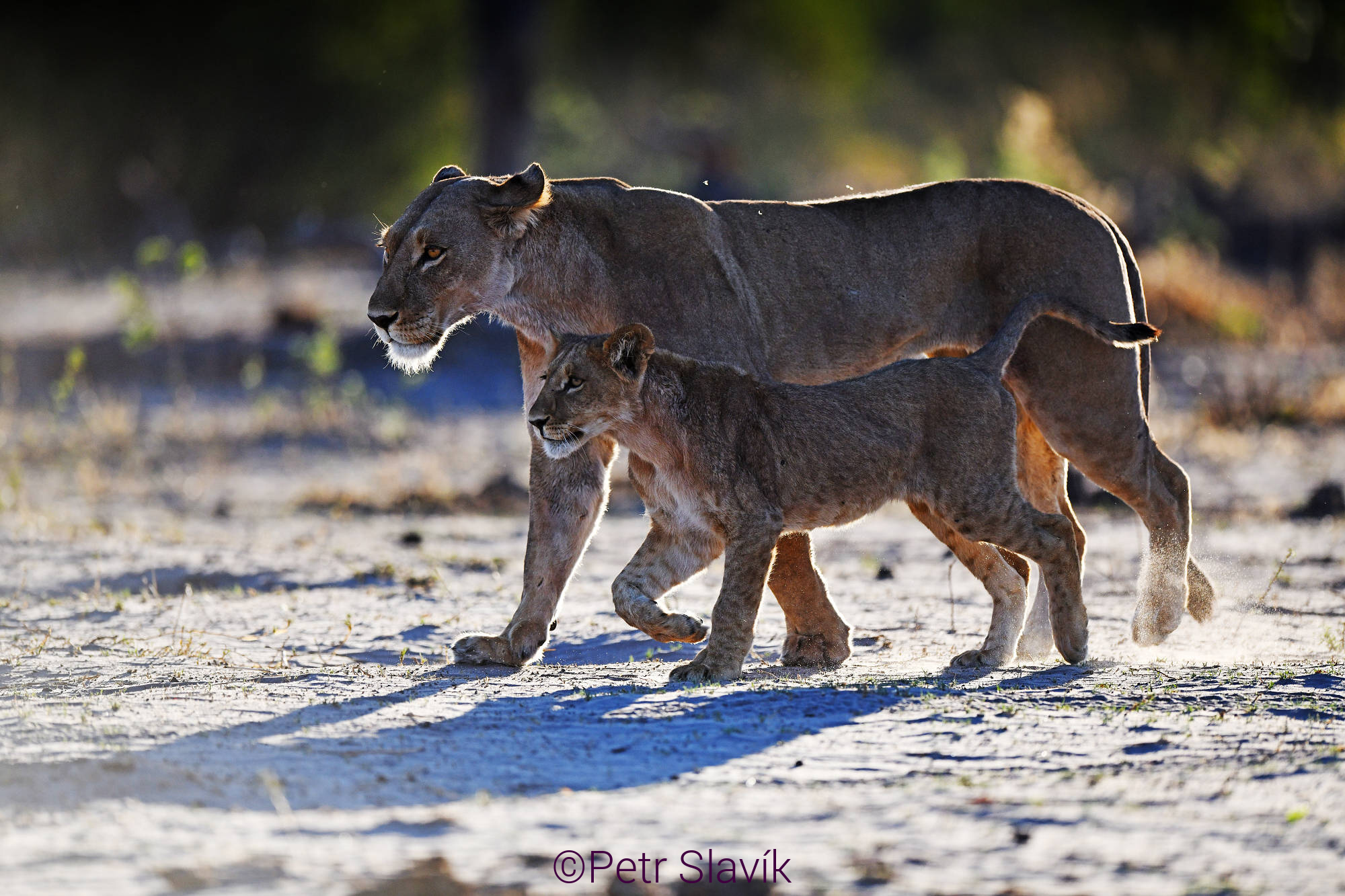
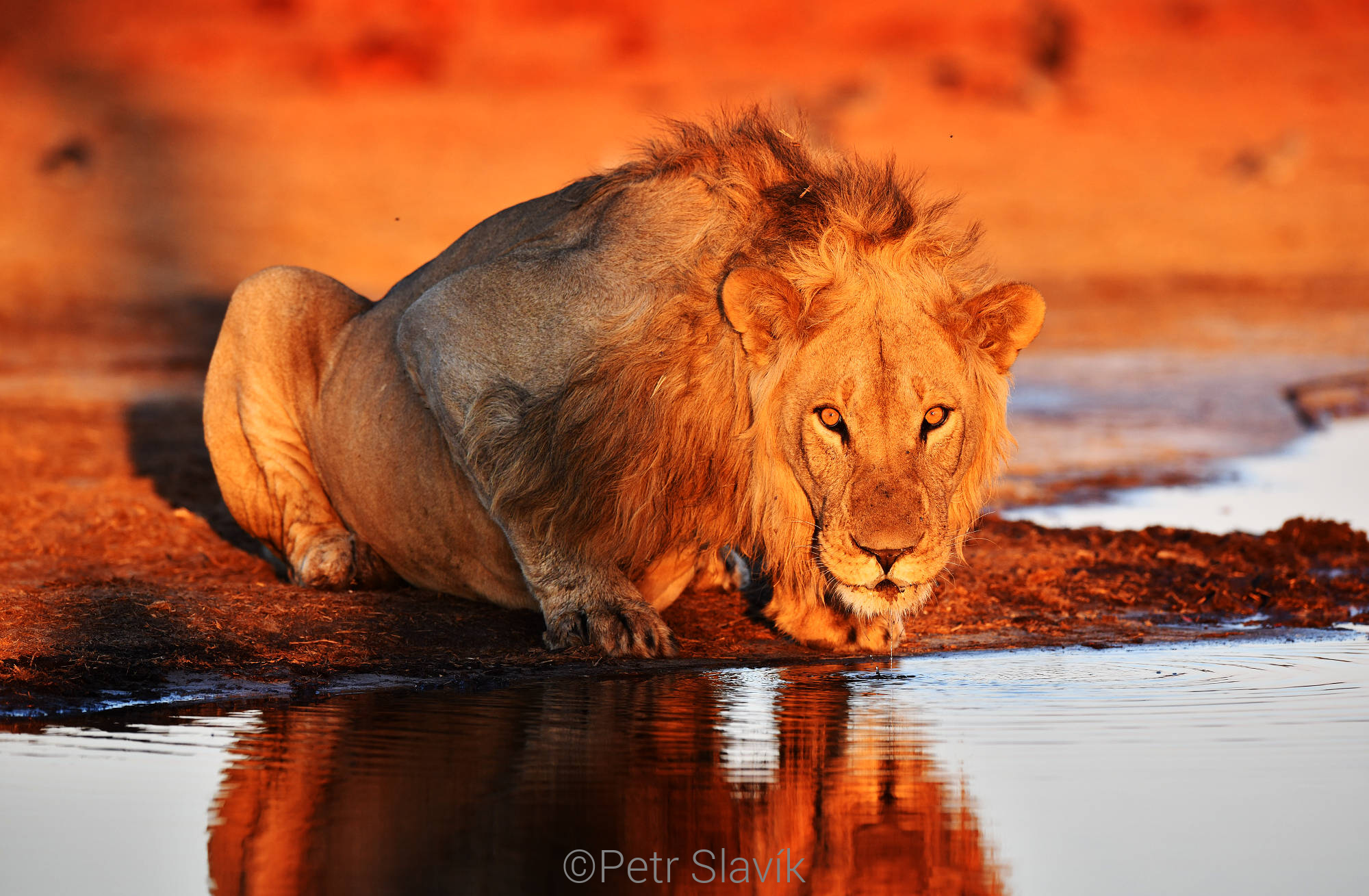
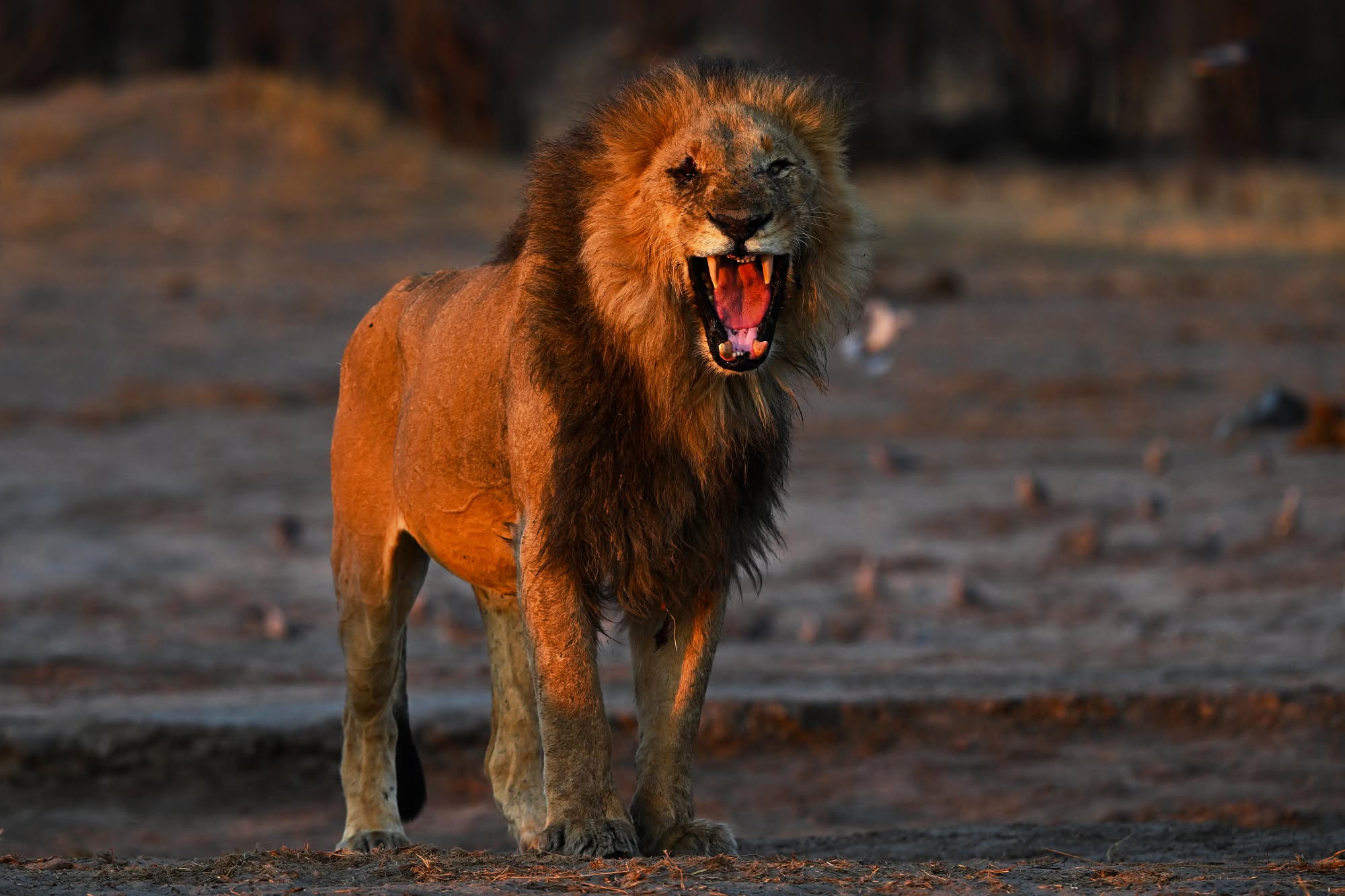
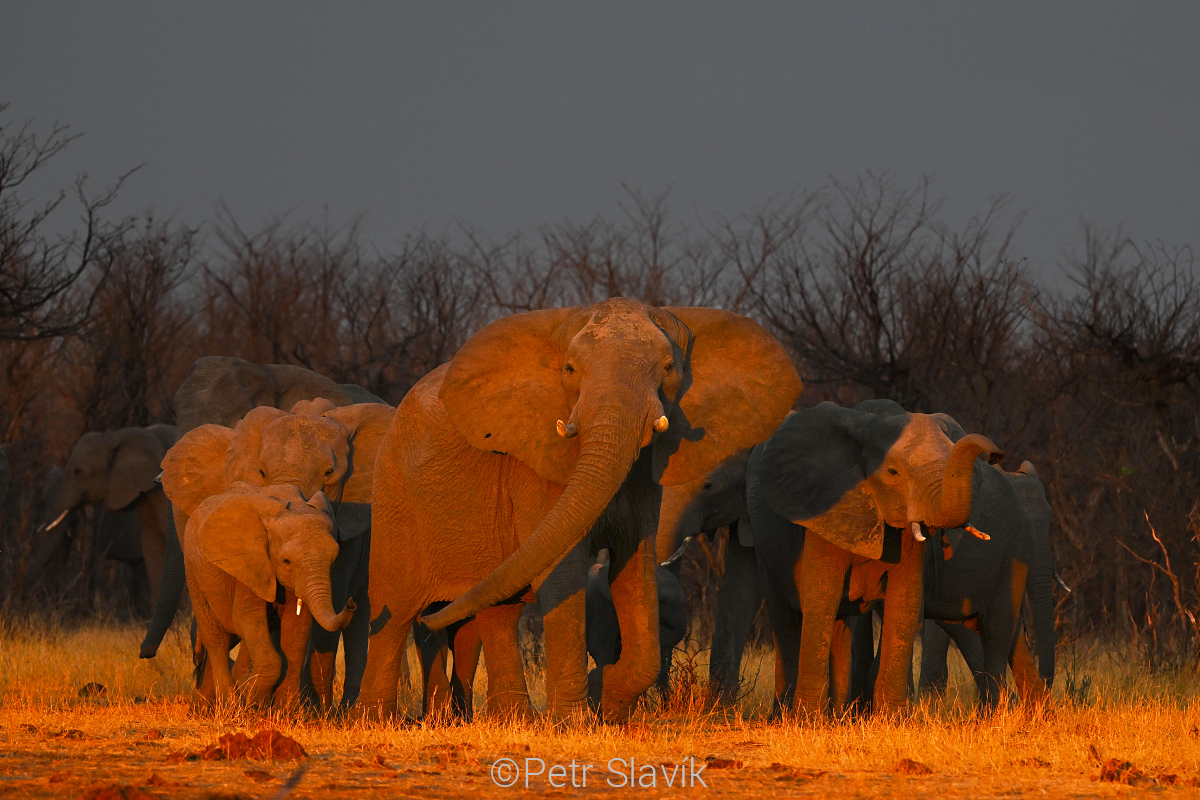
A safari at the end of the dry season is one of the most demanding and, at the same time, one of the most breathtaking. That is why our expedition heads to Khwai on the edge of the Okavango Delta, to Savuti, famous for its lions and hyenas, and to Chobe National Park with the largest elephant population on the entire continent. All three places are renowned for their concentration of wild animals. In the TOP season they are also much easier to find. There is no tall grass, the bushes have no leaves and limited water sources force the animals to keep returning to the same places. The wild dogs that regularly raise their young in Khwai, the large resident lion prides of Savuti that specialise in hunting large herbivores, and the endless herds of elephants making their way to the Chobe River every day for life-giving water are a guarantee of successful photo hunting and wildlife watching.
The safari is deliberately planned for the end of the dry season, when water sources are limited and huge concentrations of game of many species gather at the waterholes. All you have to do is wait patiently for the lion pride to be replaced by a herd of elephants, for the stronger to replace the weaker, and for the sun, just above the horizon, to bring its golden hour.
For variety and to get to know the Botswana landscape better, we will travel through three different habitats that differ from one another. Khwai, on the edge of the Okavango Delta, with its acacia groves that provide shade in the sweltering heat at the end of the dry season. Parched Savuti, famous for its huge lion prides which, thanks to their numbers, bring down prey as large as an elephant. And Chobe, with the largest elephant population on the entire continent. In the morning and evening these amazing animals come to quench their thirst in the meanders of the Chobe River.
We will sleep in a mobile tented camp set up just for us. We take everything with us. We place no burden of any kind on the wild nature. We leave nothing behind but footprints.
In the open safari vehicle there is always enough room for you and your photographic equipment. You don't have to fight anyone for a window seat. Africa will be all around you, and sometimes very close!
Botswana protects more than a third of its territory. It is home to the largest population of wild dogs in Africa and one of the nine viable lion populations on the continent. None of that, however, guarantees you a good photograph. The bush is not a zoo, but it always rewards the patient. You will certainly not come home with an empty memory card.
Itinerary
Show more
Programme day by day
Day 1 — Maun
Arrival in Maun. Overnight at River Nest Cottages and dinner together at Okavango Brewery.
Day 2 — drive to the Khwai River
Departure for the Khwai River, with a picnic lunch on the way. First night in the mobile tented camp.
Days 3–4 — Khwai
Exploring the Khwai River area on the edge of the Okavango. Mobile tented camp.
Days 5–7 — Savuti
Drive to Savuti with game viewing and a picnic lunch. Three nights in the Savuti area. Mobile tented camp.
Days 8–10 — Chobe
Departure for the Chobe River, with a picnic lunch on the way. Game drives along the river. On the last afternoon, a three-hour boat cruise on the Chobe. Mobile tented camp.
Day 11 — departure
Morning game drive and transfer to Kasane International Airport.
What a typical day looks like
The day is divided into two parts – the morning and afternoon safari (game drive). We set off in the dark so that dawn finds us already out in the field. Mid-morning we stop for tea, coffee and biscuits in the shade of a tree. The ideal time to shed extra layers. Around midday, when the light is harsh and the animals are lying down, we rest in camp. In the afternoon we head out again and return at dusk.
Breakfasts are light — cereal, yoghurt, toast, plenty of tea and coffee. Lunch in camp, or as a picnic under a tree on transfer days. Dinner is three courses — soup, main course, dessert. We can cater for vegetarian and other diets; just let us know in advance. Water, tea and coffee are available all day, in camp and in the vehicle.
You can learn photography along the way. There will be time to review your shots in the evening by the fire with a glass of wine.
Included
Show more
Accommodation in a private mobile tented camp and the first night at River Nest Cottages in Maun, full board from the welcome dinner at Okavango Brewery on the first day, filtered drinking water and unlimited tea and coffee throughout, transport in adapted off-road vehicles throughout the programme, national park and reserve fees, boat cruise on the Chobe River, services of local guides and camp staff, and photographic guidance by Petr Slavík.
Not included
Show more
International flights, medical expenses insurance, visa fees, drinks beyond full board, tips, personal expenses and optional extras such as seat selection on flights.
Tipping — recommendation. This really is only a recommendation and the amount is entirely up to you. Guide: USD 10–15 per person per day. Camp staff: USD 10–15 per person per day; this is collected together and handed to the camp manager, who divides it among the whole team.
Practical information
Show more
TRAVEL DOCUMENTS
Your passport must be valid for at least 6 months from the date of entry into the country. Keep a copy or scan of your passport separately.
VISA
Visa requirements vary by destination. Before the trip we will send you the exact procedure, a list of documents and a link to the official website. Carry a printed visa confirmation; it is checked at airport check-in. You will obtain your Botswana visa at the airport on arrival.
VACCINATIONS AND HEALTH PREPARATION
For African destinations, an international certificate of vaccination with a yellow fever vaccination is usually required or recommended. Vaccinations against tetanus, measles, typhoid and hepatitis A and B are also recommended. Consult a doctor at a travel health clinic or vaccination centre about antimalarials. We recommend a medical check-up before the trip. Everyone takes part in the programme at their own risk and responsibility.
MEDICAL EXPENSES INSURANCE
Medical expenses insurance is not included in the tour price. Every participant is required to take out valid insurance for the entire duration of the tour. Travelling to remote areas without it is a major risk. We will be happy to arrange insurance for you.
MONEY AND TIPPING
For personal spending we recommend US dollars in cash, which we will exchange into local currency. Bring newer banknotes; older series are often not exchanged in Africa. As a guide, allow USD 50 per day. In Africa it is customary to tip the staff who look after you; the usual amount is around USD 200 per person for the whole tour, and the guide distributes it. It is not compulsory. You can pay by card in most hotels, usually with a surcharge, so treat it more as a reserve. Also keep a cash reserve in case of medical treatment, which often has to be paid on the spot and is reimbursed by the insurer afterwards.
LUGGAGE
Standard allowance is 1 checked bag up to 23 kg and 1 carry-on up to 8 kg per person. Carry all electronics, including cameras, chargers and power banks, in your hand luggage. Hand luggage must not contain sharp objects or liquids over 100 ml, up to a total of 1,000 ml. We recommend locking your luggage.
ELECTRICITY
African destinations commonly use 230 to 240 V, but the type of socket varies by country. A universal travel adapter is a must.
On this trip we will charge in the vehicle.
PHONE AND INTERNET
Czech operators have roaming agreements in our destinations and phones work without problems. Wi-Fi will only be available on the first day at River Nest and on the second-to-last day at the restaurant before boarding the boat. After that we head into the wilderness, where there is no signal. We carry a satellite phone for emergencies.
FOOD AND HYGIENE
All meals are prepared and cooked in camp by our head chef. If you have any dietary requirements or foods you really dislike, please let us know. Some foods are hard to come by here, but we will do our best to make your culinary experience enjoyable.
We also provide snacks for exploring the bush and packed lunches on days when we don't return to camp (i.e. on transfer days).
To enhance the experience, especially when watching the sunset (sundowner), wine, gin, local beer and soft drinks can be arranged. Please state your food and drink preferences on the registration form. Water, tea and coffee are available all day, both in camp and on game drives.
Drink and brush your teeth only with bottled water. It is worth starting to take probiotics before the trip and packing medicine for traveller's diarrhoea.
SAFARI RULES
Drones are not allowed during the safari. You may only get out of the vehicle with the driver's consent. A safe distance from the animals is kept, and the instructions of local guides and trackers must be followed.
TOUR LEADER
The tour is led by photographer Petr Slavík. You are welcome to consult him about photographic equipment and gear before departure.
Recommended gear
Show more
FOR THIS TOUR
PHOTOGRAPHIC EQUIPMENT
Reach is essential. The minimum is 300 mm; 400 mm is better. Ideally a digital SLR (or mirrorless) camera with interchangeable lenses for photographing both animals and landscapes. Make sure you have enough memory cards or a device for storing your photos. During the trip Petr will advise you on composition and light. Photography is a very individual matter, and if you need a consultation before the trip, don't hesitate to contact Petr Slavík.
CLOTHING AND FOOTWEAR
Muted natural colours. Long-sleeved shirts and long trousers because of the sun and insects, light layers for cooler mornings, a waterproof jacket. Sturdy closed footwear; for treks through vegetation, sturdy hiking boots. A hat, sunglasses, a scarf against dust.
DOCUMENTS AND SMALL ITEMS
Passport and a copy, international certificate of vaccination, insurance card and insurance confirmation in English, emergency phone numbers, cash in USD, payment card, binoculars, a pocket knife in your checked luggage, high-factor sunscreen, repellent, lip balm, toiletries.
FIRST-AID KIT
Any medicines you take regularly, plus basics: an anti-diarrhoeal (e.g. diosmectite), travel probiotics, nasal and eye drops, a sore-throat remedy, an expectorant (acetylcysteine), paracetamol or ibuprofen, an antihistamine gel, a bandage and blister plasters.
CHARGING AND ELECTRICITY
The vehicles have 220 V inverters for charging cameras, tablets and laptops. Check that your equipment can handle 220 V; some requires 110/120 V. Bring a South African type M adapter with three round pins.
LUGGAGE
Flights within Africa have a 20 kg limit. A soft travel bag (duffel) packs into the vehicle much better than a suitcase; wheeled suitcases are useless in deep sand. Fragile items belong in your daypack.
NO CAMOUFLAGE
Camouflage clothing is not permitted in Botswana. Stick to khaki, olive, grey and stone.
Accommodation
Show more
We will spend the first night at River Nest Cottages in Maun and go for dinner at an excellent local brewery that brews its beer from Okavango Delta water. The rest of the stay is in a private mobile tented camp set up just for our group.
Accommodation is in spacious tents, each with a camp bed and a made-up bed. In front of each tent there are two washbasins. For washing we use bucket showers (the best experience!) and dry toilets. Remember that there are no facilities at any of our private campsites other than what we bring with us. This means we truly leave nothing behind but footprints. The camp consists of a dining tent and the guest tents.
Camping in the wild is a truly amazing experience, but it also carries certain risks. We in Botswana are very lucky that animals roam the land freely – more than 33% of Botswana's land is set aside for wildlife – and staying in these wild places is a privilege. That is exactly why we recommend that you stay fully alert while in camp. You never know who might come to visit. Night-time is especially important, as our eyesight is not adapted to low light as well as that of the bush's inhabitants. Please follow the advice of our experienced guides.
Transport
Show more
An open Land Cruiser adapted for game viewing — the locals call it nothing other than the safari limousine. The vehicle is adapted for six passengers and everyone has a window seat. Individual seats on a raised frame give maximum space and visibility.
The vehicle has bean bags to support your photographic equipment, a food box, a fridge and a 220 V inverter for charging equipment.
Getting in and out can be a little tricky at first, but you will soon get the hang of it. If you have back problems or any mobility limitations, please let us know in advance.
Flights within Africa to and from Botswana have a 20 kg baggage limit. We recommend a soft travel bag (duffel) — it packs into the vehicle better than a suitcase. Wheeled suitcases are impractical in deep sand; pack fragile items in your hand luggage.